Ten on the panel
All ten dietary ingredients are named, with the part printed for each botanical — root, seed, leaf, bark, fruiting body.
Official product information
Renew31 lists ten dietary ingredients: one probiotic and a blend of nine botanicals.
Bacillus coagulans is itemised at 500 Million CFU. The 430 mg blend holds chicory root inulin, fenugreek, ginger, dandelion, babchi, fennel, lemon balm, lion's mane and slippery elm.
For the full label, see the Supplement Facts.
Quick answer
The panel names ten dietary ingredients and prints an amount for one of them: Bacillus coagulans at 500 Million CFU, itemised outside the blend. The other nine sit under a single Proprietary Blend figure of 430 mg and not one of them carries an amount of its own, which is lawful under 21 CFR 101.36(c)(3). Only fenugreek, ginger and dandelion have a federal consumer page under their own name; chicory root inulin has none anywhere, and babchi, fennel, lemon balm, lion’s mane and slippery elm appear only inside NIH monographs written for clinicians. Five ingredients have a published studied oral amount, and every one of those amounts is larger than the whole blend.
1 of 10 rows with an amount of its own
Bacillus coagulans is itemised at 500 Million CFU. The other nine share one figure, and declaring only that figure is lawful.
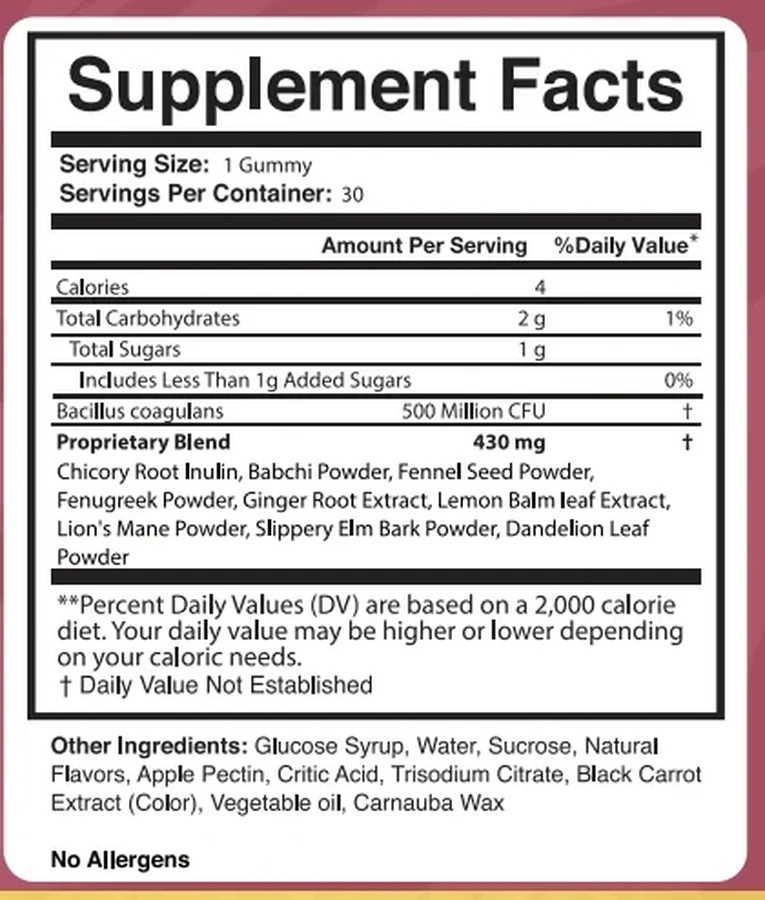
Start with the rule, because the rule decides how to read everything else on this panel. The Supplement Facts panel itemises one dietary ingredient — Bacillus coagulans at 500 Million CFU — and then declares a Proprietary Blend of 430 mg with nine ingredients listed underneath it and not one amount between them. The nine, in the order the label prints them: chicory root inulin, babchi powder, fennel seed powder, fenugreek powder, ginger root extract, lemon balm leaf extract, lion’s mane powder, slippery elm bark powder, dandelion leaf powder. Declaring only the total is lawful. 21 CFR 101.36(c)(3) says the quantitative amount for a proprietary blend “shall be the total weight of all other dietary ingredients contained in the proprietary blend”. The absence of nine individual figures is what the regulation permits, and this site does not suggest otherwise.
The useful question is not what is in the gummy — the panel names all ten and names them legibly. It is how much, and for nine rows out of ten the panel does not answer it.
4 figures that carry this page
1 of 9 heaviest, by the label’s own assertion
Here are the nine, in the order the label prints them, because on this panel the order is the only quantitative thing said about any single one of them. 21 CFR 101.36(c)(2) requires descending order of predominance by weight, so chicory root inulin is the heaviest of the nine and dandelion leaf powder the lightest.
An average nobody printed. The descending-order rule is the label’s own statement that the nine are unequal, so this is the one figure the panel has already guaranteed is wrong for at least eight of the nine rows. It appears here as arithmetic and is used nowhere else on this site.
10 / 5 / 1 / 3 four honest counts, four different numbers
The same ingredient list counted four ways gives four answers, and the gaps between them are the findings.
All ten dietary ingredients are named, with the part printed for each botanical — root, seed, leaf, bark, fruiting body.
The supplied material names five. The five it leaves out are fennel, fenugreek, lemon balm, slippery elm and dandelion leaf, and four of those five carry federal safety material of their own.
Bacillus coagulans at 500 Million CFU is the only amount. Only fenugreek, ginger and dandelion have a federal consumer page under their own name.
There are four honest ways to count what is in this product, and they give four different numbers. Ten dietary ingredients are named on the Supplement Facts panel. Five are named in the supplied sales material. One carries an amount of its own. And three have a federal consumer page published under their own name — fenugreek and ginger and dandelion, at NCCIH. Ten, five, one, three.
7 of 10 with no federal consumer page of their own
Four databases, checked under every name this label prints. The matrix is mostly empty, and the emptiness is itself the finding.
| Ingredient | NIH ODS | NCCIH | NIH LiverTox | NIH LactMed | What that leaves a reader able to read |
|---|---|---|---|---|---|
| Bacillus coagulans | General fact sheets | General page | — | — | Two general probiotic pages and no page for this species |
| Chicory Root Inulin | — | — | — | — | Nothing federal anywhere. One labelling guidance on dietary fibre |
| Babchi Powder | — | — | Inside Psoralen | — | No page under babchi, bakuchiol or the Latin name. One liver monograph |
| Fennel Seed Powder | — | — | — | Yes | A lactation database, written for nursing women, and nothing else |
| Fenugreek Powder | — | Yes | Yes | Yes | The best-covered row of the nine, and two of the three disagree |
| Ginger Root Extract | — | Yes | Yes | — | A consumer page and a monograph, and both are reassuring |
| Lemon Balm leaf Extract | — | Not confirmed | Yes | — | One monograph, on tolerability rather than on purpose |
| Lion’s Mane Powder | — | — | Yes | — | One monograph, and it is blunt about what has been shown in people |
| Slippery Elm Bark Powder | — | — | Yes | — | One monograph, and the amounts in it belong to a different species |
| Dandelion Leaf Powder | — | Yes | — | — | A consumer page that says there is no compelling evidence for anything |
Three of the ten have a federal consumer page under their own name — fenugreek, ginger and dandelion. Four more appear only inside a monograph written for clinicians, one appears only in a lactation database, and chicory root inulin, the heaviest member of the blend, has nothing federal at all.
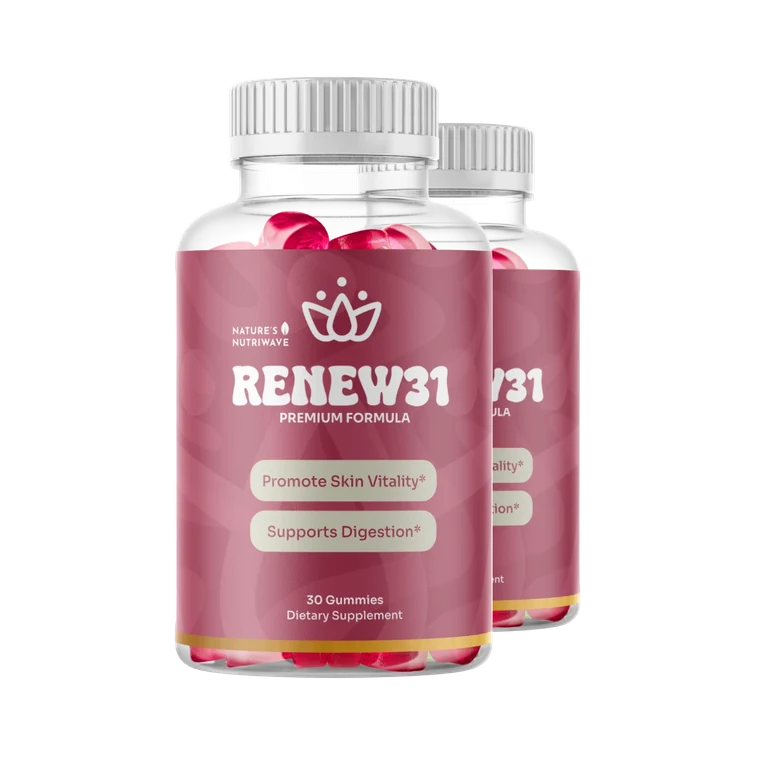
The same offer every time this card appears. The pack adds one instruction beside its own figures and it is the right one: confirm it at the live checkout before you pay.
5 of 5 comparisons that come out the same way
Not each ingredient’s share of the 430 mg — the whole 430 mg, before the other eight take anything from it.
| Ingredient | Amount printed for it | Lowest studied amount found | Against the whole blend |
|---|---|---|---|
| Bacillus coagulans | 500 Million CFU | 2 billion CFU a day | A quarter of the 2 billion CFU a day the published trials used — and no strain is named, so it cannot be matched to them in any case |
| Chicory Root Inulin | No amount printed | 12 g a day | about 28× the whole blend |
| Babchi Powder | No amount printed | No established oral amount | Nothing to compare: no oral amount exists, and the famous trial used a cream |
| Fennel Seed Powder | No amount printed | 3 g a day | about 7× the whole blend |
| Fenugreek Powder | No amount printed | 1 g a day | 2.3× the whole blend |
| Ginger Root Extract | No amount printed | about 1,000 mg a day | 2.3× the whole blend |
| Lemon Balm leaf Extract | No amount printed | No established oral amount | Nothing to compare for either claim on this bottle |
| Lion’s Mane Powder | No amount printed | 1 g as a single dose | 2.3× the whole blend, and up |
| Slippery Elm Bark Powder | No amount printed | No established oral amount | Nothing to compare: no amount found for this species |
| Dandelion Leaf Powder | No amount printed | No established oral amount | Nothing to compare: not reliably established, and listed last of the nine |
Every figure in the last column is the studied amount divided by the blend total — before the other eight members take any share of the 430 mg at all. Five rows have a published studied oral amount and every one of those amounts is larger than the entire blend. Four have none for any purpose on this label, and one — the lemon balm — has amounts in the record that were measured for neither of this bottle’s two claims.
500 Million CFU which is 0.5 billion
The only ingredient on this bottle with an amount of its own, and the one row where the digestion claim can actually be audited.
Bacillus coagulans, the probiotic on this label, declared at 500 Million CFU a gummy. It is printed on its own row, outside the Proprietary Blend, which is why it is the only quantity on this label a reader can work with.
Work with it, then. 500 Million CFU is 0.5 billion. ODS describes the usual range in one sentence: “Many probiotic supplements contain 1 to 10 billion CFU per dose, but some products contain 50 billion CFU or more.” So this gummy sits below the bottom of the range ODS describes. The published trials of this species in gut symptoms used 2 billion CFU a day, which is four times what is here — one in 136 adults with IBS over eight weeks, one in 70 adults with functional bloating over four. And then the part that closes the question: the label names no strain. ODS: “Probiotic microorganisms are named by their genus, species, and strain.” NCCIH: “Different types of probiotics may have different effects.” Genus and species are printed here. The strain is not, so what is in this gummy cannot be matched to either trial even if the count were right.
The only dietary-ingredient amount printed anywhere on this panel. It sits on its own row above the Proprietary Blend line, with the footnote “† Daily Value Not Established” beside it, which is accurate: no Daily Value exists for a probiotic. 500 Million CFU is 0.5 billion. CFU stands for colony-forming units, and FDA says of the unit itself: “We believe that CFUs provide a useful description of the quantity of live microbial dietary ingredients.” A statement about quantity, note, and not about benefit.
0.5 billion against a 1-to-10-billion range
“Higher CFU counts alone do not necessarily mean that the product has greater health benefits.”
The low count is a fact worth reporting and this page reports it. ODS says in the same breath that a higher count is not a promise either, and that sentence is printed here so nothing above it implies otherwise. The strain, not the count, is what would match this gummy to a published trial.
12 g a day studied, against a 430 mg blend total
The heaviest member of the blend, and the ingredient that produces the widest arithmetic gap on the whole label.
Inulin from chicory root: a non-digestible carbohydrate that FDA treats as dietary fibre. The June 2018 labelling guidance lists “inulin and inulin-type fructans;” among the carbohydrates it intends to count that way, and that is the only federal document on this ingredient of any kind.
Here is the arithmetic, and it is the strongest on the site. The published human study supplied for this ingredient used 12 g a day — 39 adults with functional constipation, four-week randomised crossover periods, Puhlmann and others in BMC Gastroenterology in 2025. 12 g is 12,000 mg. The whole blend is 430 mg. That is about 28 times the blend total, before the other eight ingredients take any share of it at all. This ingredient is the heaviest of the nine, so it has the largest share — and even if it were the entire blend, it would be about a twenty-eighth of the studied amount.
No individual amount is printed for this ingredient. It is listed first of the nine under a Proprietary Blend declared at 430 mg. Because 21 CFR 101.36(c)(2) requires blend members to be declared in descending order of predominance by weight, the label itself is asserting that chicory root inulin is the heaviest of the nine. So it weighs no more than 430 mg, it weighs at least as much as any of the other eight, and no closer figure exists anywhere on the bottle. 430 divided by 9 is 47.8 mg, which is an average rather than an amount — and the ordering rule guarantees this ingredient is above it.
0 federal consumer pages under any of its three names
Babchi needs the most careful writing on this site. Both halves of it are true at once and dropping either one misleads.
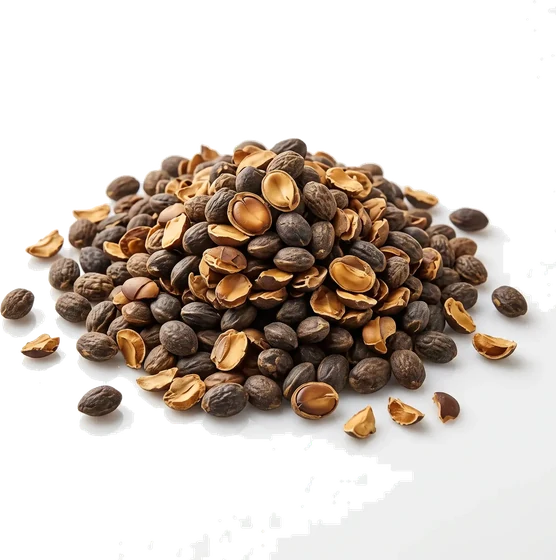
The skin ingredient, and the one row on this label that needs the most careful reading. The route is the whole of it.
Babchi Powder is Psoralea corylifolia, the plant whose constituent bakuchiol has been studied for skin appearance. It is listed second of nine, which makes it the second-heaviest member of a 430 mg blend, and no closer figure exists. There is no federal consumer page under “babchi”, “bakuchiol” or “Psoralea corylifolia”: a reader who searches those three words at ODS, NCCIH or MedlinePlus finds nothing at all.
Two things are true at once and both have to be said. First, the evidence that made this ingredient famous is for a cream. The well-known human result is Dhaliwal and others in the British Journal of Dermatology in 2019: a 0.5% bakuchiol cream applied to the face twice daily, 44 participants, 12 weeks. There was no oral arm, and no published human trial of swallowed babchi or swallowed bakuchiol for skin appearance was found. This product is swallowed. Second, the one federal document that mentions the powder is about liver injury. The plant is covered inside NIH LiverTox’s monograph on Psoralen — “Psoralen (sor’ a len) is a natural furocoumarin found in the seeds of Psoralea corylifolia” — which records “Powdered extracts of P. corylifolia have been linked to several instances of jaundice.” and gives it “Likelihood score: C (probable rare cause of clinically apparent liver injury)”. So: the evidence that made this ingredient famous is for a cream, and the federal monograph that mentions the powder is about liver injury.
No individual amount is printed for this ingredient. It is listed second of the nine inside the 430 mg blend, so by the descending-order rule it is the second-heaviest of them: no more than 430 mg, and no less than the seven below it. There is no established oral amount for babchi for any purpose on this label, so there is nothing to compare the unknown figure with even in principle. This is the ingredient where the missing number matters most, because it is the ingredient with a federal liver monograph behind it.
Score C probable rare cause of clinically apparent liver injury
“Powdered extracts of P. corylifolia have been linked to several instances of jaundice.”
Nobody reading this is being told they will be harmed, and nobody already taking this product is being told to stop. What this page says is narrower and more useful than either: take the bottle to a clinician and ask — and do that before you start if you take any medication or have any liver condition. It is also true, and printed beside the rest, that no FDA action naming babchi, bakuchiol or Psoralea corylifolia was found. That is an absence rather than a clearance, and FDA says of itself “The FDA does not generally review dietary supplements before they are sold to consumers.”
1,000 mg a day the equivalent LiverTox gives
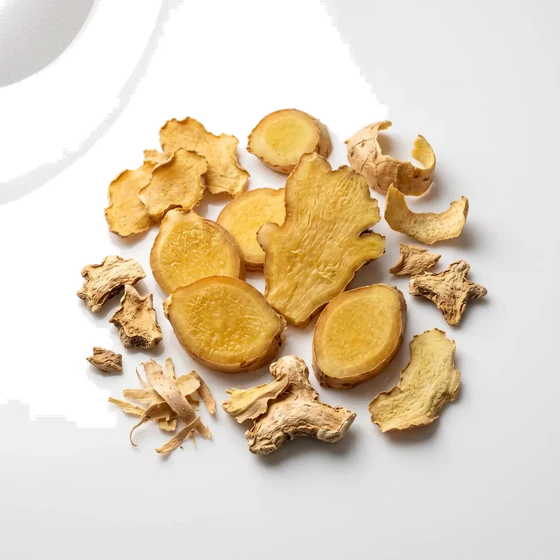
One of the five ingredients the sales material does name, and the one with the most reassuring federal record on this panel.
Ginger root, printed as an extract, fifth of nine. It is the best-covered botanical on this label: NCCIH publishes a consumer page on it and NIH LiverTox publishes a monograph, and both of them are mild.
The comparison is the same one as everywhere else on this panel. LiverTox gives a studied amount of up to the equivalent of 1,000 mg of dried powdered extract daily. 1,000 mg against a 430 mg blend is 2.3 times the whole blend, and this ingredient has at most a fifth-ranked share of that 430 mg. NCCIH on where the evidence actually sits: “Research shows that ginger may be helpful for nausea and vomiting associated with pregnancy.” Note what that sentence is about. It is not a skin claim and it is not a general digestion claim, and this bottle is not sold to pregnant women — its own caution says the opposite.
No individual amount is printed for this ingredient. Fifth of nine inside a 430 mg blend by the label’s printed order, so no more than 430 mg and ranked below the four above it. It is printed as Extract, and no extract ratio, standardisation figure or marker compound is printed beside it — so even if an amount existed, it would need a second number to mean anything.
1.8–10 g a day the chronic range in the literature
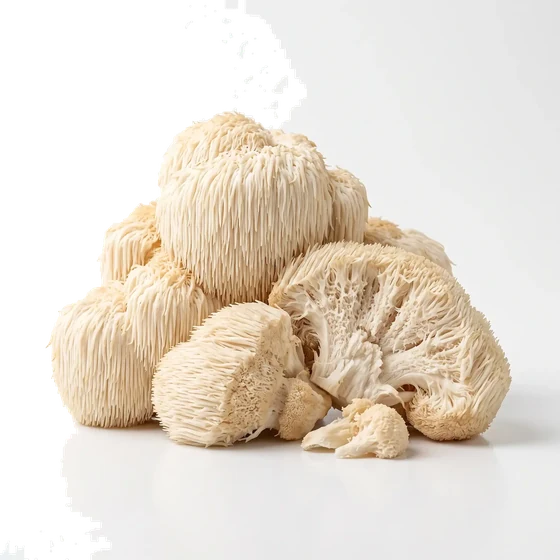
One of the five the sales material names, and a clear case of a gram-scale ingredient inside a milligram-scale blend.
Lion’s mane, as a powder, seventh of nine. There is no ODS, NCCIH or MedlinePlus page for it; the only federal document is an NIH LiverTox monograph, and that monograph is careful about what has and has not been shown in people.
The published human amounts are these: 3 g a day in 30 adults aged 50 to 80 with mild cognitive impairment over sixteen weeks; 1.8 g a day in 41 healthy adults over 28 days; and 10 g a day in 24 adults over four weeks. A single dose of 1 g has also been studied. Set the smallest chronic figure against the blend: 1.8 g is 1,800 mg against a 430 mg blend — about four times the whole of it, and this ingredient is seventh of nine inside that 430 mg. Even the 1 g single dose is 2.3 times the blend total.
No individual amount is printed for this ingredient. Seventh of nine inside a 430 mg blend, so no more than 430 mg and ranked below the six above it — which means that whatever it is, it is in the smaller end of the blend by the label’s own ordering. The studied amounts are in grams, and the smallest of them is more than twice the whole blend.
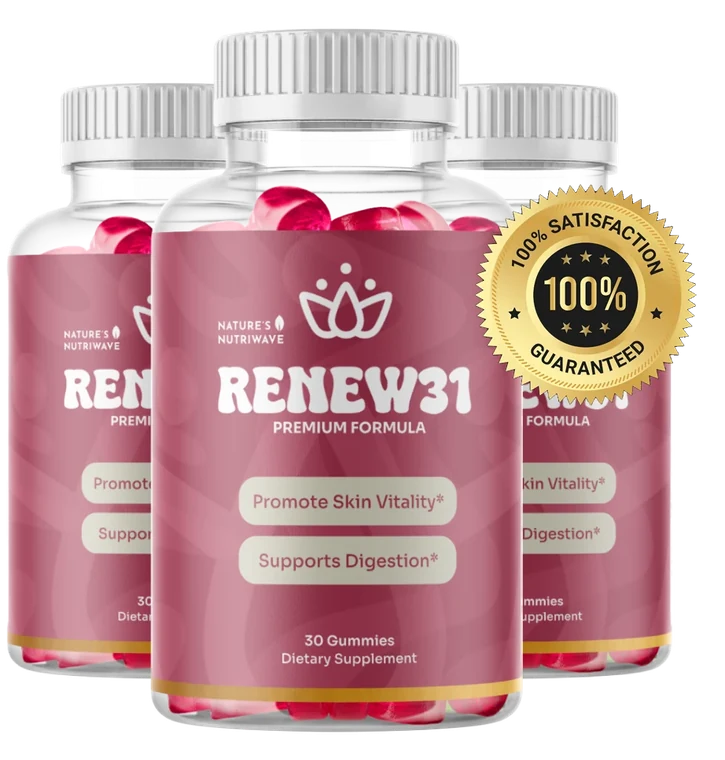
The same offer every time this card appears. The pack adds one instruction beside its own figures and it is the right one: confirm it at the live checkout before you pay.
5 of 10 rows the seller supplied no picture for
Cards rather than stock images of a root that was never in this bottle. Four of these five are also the four the sales material leaves out.
One of the five ingredients that are on the panel and nowhere in the sales material — and the one that carries a caution about sunlight. Fennel seed, as a powder, third of nine in the blend. It is not named anywhere in the supplied sales material, so a reader who bought on the strength of the five ingredients the marketing names would not have known it was in the gummy. The only federal page on it is NIH LactMed, which exists to answer questions about medicines and breastfeeding rather than about skin or digestion.
Not in the sales material, and the row where two NIH sources contradict each other. Both are printed. Fenugreek seed, as a powder, fourth of nine. It is not named anywhere in the supplied sales material. It is one of three ingredients on this panel with an NCCIH consumer page of its own, and NCCIH is direct about the evidence: “There is not enough high-quality evidence to determine whether fenugreek is useful for diabetes or menstrual cramps.” Neither of those is a claim on this bottle.
One of the five ingredients that are on the panel and nowhere in the sales material, and the one with the thinnest federal coverage of the three extracts. Lemon balm leaf, printed as an extract, sixth of nine. It is not named anywhere in the supplied sales material. No NCCIH page on lemon balm could be confirmed; the only federal document is an NIH LiverTox monograph.
One of the five that are on the panel and nowhere in the sales material, and the eighth-heaviest of nine. Slippery elm bark, as a powder, eighth of nine. The species printed on the label is Ulmus rubra. It is not named anywhere in the supplied sales material, and there is no ODS, NCCIH or MedlinePlus page for it — only an NIH LiverTox monograph.
The lightest member of the blend, and the row where the federal page says least in the plainest possible words. Dandelion leaf, as a powder, listed last of nine. It is not named anywhere in the supplied sales material. It is one of only three ingredients on this panel with an NCCIH consumer page of its own, and that page is unusually direct.
9 ranks, and no figure behind any of them
Each member weighs no more than 430 mg, all nine together weigh 430 mg, and the order runs heaviest to lightest. Beyond those three statements nothing about the weight of a single member is knowable from outside.
| Member, as printed | Place in the order | What the rank asserts |
|---|---|---|
| Chicory Root Inulin | 1st of nine | Heaviest of the nine, as the label asserts by listing it first |
| Babchi Powder | 2nd of nine | Heavier than seven of them, lighter than one |
| Fennel Seed Powder | 3rd of nine | Heavier than six, lighter than two |
| Fenugreek Powder | 4th of nine | Heavier than five, lighter than three |
| Ginger Root Extract | 5th of nine | Heavier than four, lighter than four |
| Lemon Balm leaf Extract | 6th of nine | Heavier than three, lighter than five |
| Lion’s Mane Powder | 7th of nine | Heavier than two, lighter than six |
| Slippery Elm Bark Powder | 8th of nine | Heavier than one, lighter than seven |
| Dandelion Leaf Powder | 9th of nine | Lightest of the nine, as the label asserts by listing it last |
5 rows, and the dose attached to none of them
| Ingredient | Amount printed | What the federal record publishes about safety | The context worth keeping |
|---|---|---|---|
| Bacillus coagulans | 500 Million CFU | NCCIH: “Probiotics have an extensive history of apparently safe use, particularly in healthy people.” But: “The risk of harmful effects from probiotics is greater in people with severe illnesses or compromised immune systems.” | ODS: “It is worth noting that the number of CFUs in a probiotic can decline over time.” — which is why the storage range on the bottle is worth following. |
| Chicory Root Inulin | No amount printed | Nothing federal was found at all — no ODS page, no NCCIH page, no MedlinePlus monograph, no LiverTox entry. An absence of guidance is not the presence of safety. | FDA’s June 2018 fibre guidance lists “inulin and inulin-type fructans;” among the carbohydrates it intends to treat as dietary fibre, and a non-digestible fibre is where the panel’s calorie question comes from. |
| Babchi Powder | No amount printed | NIH LiverTox, on psoralen: “Powdered extracts of P. corylifolia have been linked to several instances of jaundice.” Score: “Likelihood score: C (probable rare cause of clinically apparent liver injury)” | The famous human result for its constituent bakuchiol was a 0.5% cream on the face, 44 participants, 12 weeks, with no oral arm. This product is swallowed. |
| Fennel Seed Powder | No amount printed | NIH LactMed: “Avoid excessive sunlight or ultraviolet light exposure while using this herbal.” And two liver reports in lactating women taking combinations rather than a likelihood score. | LactMed also carries a duration note: “Some sources recommend limiting the duration of treatment to 2 weeks.” The label prints no course length of its own. |
| Fenugreek Powder | No amount printed | NCCIH: “Large doses may cause a harmful drop in blood sugar.” NIH LactMed: “It can also interact with warfarin to cause bleeding.” | Two NIH databases disagree about fenugreek and the liver, and the side effects page prints both rather than averaging them. |
Every sentence in the third column belongs to an ingredient rather than to this product, and every one of them is a caution without a dose attached, because nine of the ten rows carry no amount. The full version of each is on the side effects page.
3 likelihood scores of E, the most reassuring LiverTox gives
| Ingredient | Amount printed | What the federal record publishes about safety | The context worth keeping |
|---|---|---|---|
| Ginger Root Extract | No amount printed | NCCIH: “Ginger has been used safely in many research studies where it was taken orally (by mouth) as a dietary supplement.” NIH LiverTox score: “Likelihood score: E (unlikely cause of clinically apparent liver injury).” | The best-covered row on this panel. No federal page read for this site names a ginger-anticoagulant interaction, and none is asserted here. |
| Lemon Balm leaf Extract | No amount printed | NIH LiverTox: “Lemon Balm extract is generally well tolerated and has few if any adverse events.” And, carefully: “The frequency of hypersensitivity reactions to lemon balm extract is also not known.” | Studied amounts exist in the record — 1 g and 3 g a day — but none of them was measured for a skin or a digestive claim. |
| Lion’s Mane Powder | No amount printed | NIH LiverTox: “At least one example of an acute hypersensitivity reaction to oral lion’s mane has been described.” On the liver it is reassuring: “Lion’s mane has not been linked to serum enzyme elevations during therapy or clinically apparent liver injury.” | LiverTox is explicit about what has been shown and where: “Most of these effects have been demonstrated in cell culture or in animal models but have not been found in humans.” |
| Slippery Elm Bark Powder | No amount printed | NIH LiverTox, printed ungrammatically in the federal source and reproduced here exactly as the source prints it: “Slippery elm has been linked to rare instances cutaneous allergic symptoms.” | The 500 mg trials LiverTox cites used Ulmus macrocarpa, a different species from the Ulmus rubra on this label, so no slippery elm amount is presented here. |
| Dandelion Leaf Powder | No amount printed | NCCIH: “The use of dandelion in the amounts commonly found in food is considered likely safe.” But: “Less is known about the safety of taking dandelion in larger amounts.” On medication: “If you take any type of medicine or supplements, talk with your health care provider before using dandelion...” | NCCIH is also blunt about the evidence: “There’s no compelling scientific evidence supporting the use of dandelion for any health condition.” |
Three of these five carry a likelihood score of E, which is the most reassuring score LiverTox gives. A misquoted federal page would be the worst error this site could make, so the slippery elm sentence is reproduced with the source’s own grammar and not tidied.
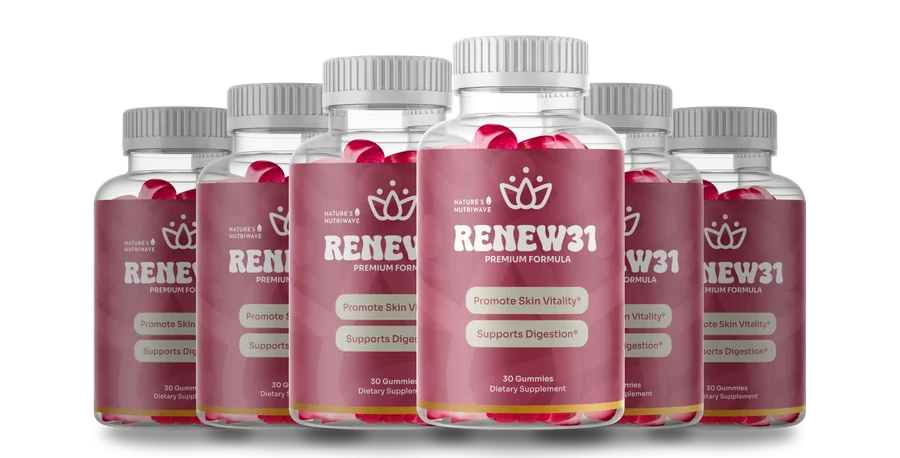
The same offer every time this card appears. The pack adds one instruction beside its own figures and it is the right one: confirm it at the live checkout before you pay.
5 ingredients on the panel and nowhere in the sales material
The pack says no CFU figure and no milligrams are printed. The panel prints both. The bottle comes out of that better than its marketing does.
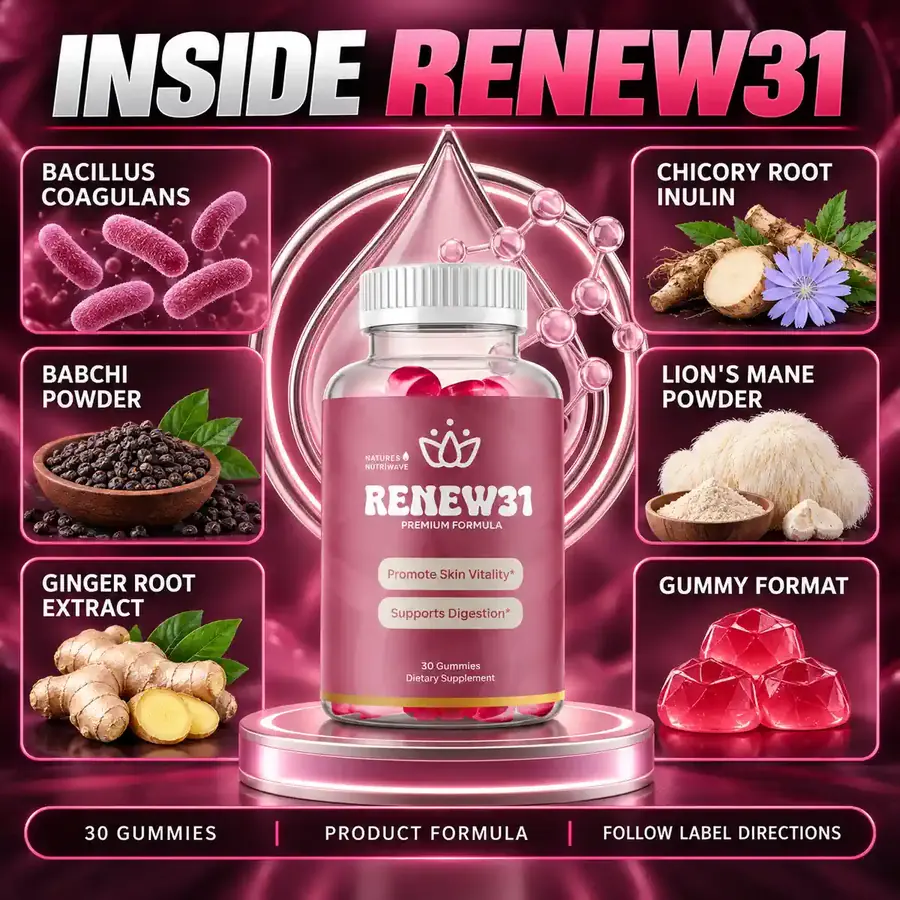
And now the credit, because it is a real one and it cuts against the seller’s own marketing. The supplied pack is wrong about its own bottle. The pack says, of Bacillus coagulans, “named on the sales page; no CFU printed”, and of chicory root inulin, babchi, lion’s mane and ginger, “named on the sales page; no milligrams printed”. The panel prints both figures. It prints 500 Million CFU against the Bacillus coagulans and it prints a 430 mg total for the blend. A reader who trusted the sales material over the bottle would have been told the label was less informative than it actually is. That is a finding about the pack, not about the gummy, and the bottle comes out of it better than its own marketing does.
The direction of the gap is the one that matters, and on this product it runs the usual way. The panel names ten and the sales material names five, so five ingredients are in the gummy and nowhere in what you were sold: fennel seed powder, fenugreek powder, lemon balm leaf extract, slippery elm bark powder and dandelion leaf powder. Four of those five carry federal safety material — a sun-exposure caution and liver-enzyme reports for fennel, a blood-sugar and warfarin caution for fenugreek, a cutaneous-allergy line for slippery elm, and an allergic-reaction note for dandelion. A reader who bought on the strength of the five named ingredients would not have had the chance to put any of that to a clinician, because they did not know the other five were there.
July 29, 2025 the date the consumer layer went
MedlinePlus dropped its herb monographs. For six of these ten ingredients the federal consumer layer that existed until then is gone, and that is not the seller’s doing.
“As of July 29, 2025, the herbs and supplements information from the Therapeutic Research Center (TRC) Natural Medicines Comprehensive Database is unavailable.”
Coverage, counted honestly. Three of the ten ingredients have a federal consumer page published under their own name — fenugreek, ginger and dandelion, all three at NCCIH. Four appear in the federal record only inside an NIH monograph a consumer would not think to look for: babchi inside LiverTox’s page on Psoralen, fennel inside LactMed, and lemon balm, lion’s mane and slippery elm inside LiverTox pages of their own. Chicory root inulin has no federal consumer page anywhere — ODS, NCCIH, MedlinePlus and LiverTox were all checked and none exists; the only federal document is a labelling guidance about dietary fibre. And Bacillus coagulans has no species page anywhere: there are general probiotic pages at NCCIH and ODS, and nothing about this organism.
One piece of context explains why so many rows on these pages read no federal consumer page, and it is recent. MedlinePlus prints this at the top of what used to be its herbs and supplements section: “As of July 29, 2025, the herbs and supplements information from the Therapeutic Research Center (TRC) Natural Medicines Comprehensive Database is unavailable.” For six of these ten ingredients, the federal consumer layer that existed until July 2025 is gone. That is not the seller’s fault and it is not a criticism of the product. It is the reason a reader who goes looking for babchi or chicory inulin or slippery elm on a government site in 2026 will find less than they would have found in 2024, and it is why the LiverTox and LactMed monographs do so much of the work on these pages.
3 absences, named rather than left to inference
430 mg is declared for the blend as a whole, which is what 21 CFR 101.36(c)(3) asks for. No individual amount is printed for any of the nine, and no amount is derived, estimated or guessed at anywhere on this site. The only quantitative statement the panel makes about a single member is where it sits in the order.
The label prints the genus and the species. ODS says “Probiotic microorganisms are named by their genus, species, and strain.” so the organism in this gummy cannot be matched to either of the published Bacillus coagulans trials in gut symptoms, both of which used 2 billion CFU a day and both of which named their strain.
Two of the nine are printed as extracts — Ginger Root Extract and Lemon Balm leaf Extract — and neither carries a ratio. On a label that gave each member its own figure a missing ratio would still leave a weight behind it. Here it is a second unknown stacked on the first.
One absence is worth naming because on a blend label it is where the real argument hides. No extract ratio, concentration or dry-weight equivalence is printed for any row on this panel. Two of the nine are printed as extracts — Ginger Root Extract and Lemon Balm leaf Extract — and neither carries a ratio, a standardisation figure or a marker compound. The other seven are printed as powders. On a label that gave each member its own milligram figure, a missing ratio would still leave you with a weight. Here there is no weight to qualify in the first place, so the missing ratio is the second unknown stacked on the first.
6 things this label does better than most
A label that names all ten and itemises the probiotic has done more than most. It has not thereby said how much.
9 cards, heaviest first and lightest last
The front is what the label prints, which is a place in an order and nothing else. The back is what the published record holds.
Press a card to turn it over: the front is what the label prints, the back is what the published record holds.
Questions
Ten dietary ingredients. Bacillus coagulans at 500 Million CFU, itemised and outside the blend. Then a Proprietary Blend of 430 mg holding nine, in the order the label prints them: chicory root inulin, babchi powder, fennel seed powder, fenugreek powder, ginger root extract, lemon balm leaf extract, lion’s mane powder, slippery elm bark powder and dandelion leaf powder.
One figure exists and nine do not. The Bacillus coagulans is printed at 500 Million CFU. The nine blend members carry no individual amounts at all. What the panel does tell you is the order: 21 CFR 101.36(c)(2) requires descending order of predominance by weight, so chicory root inulin is the heaviest of the nine and dandelion leaf powder is the lightest.
Five: fennel seed powder, fenugreek powder, lemon balm leaf extract, slippery elm bark powder and dandelion leaf powder. They are on the panel and nowhere in the supplied sales material. Four of those five carry federal safety material — a sun-exposure caution for fennel, a blood-sugar and warfarin caution for fenugreek, a cutaneous-allergy line for slippery elm and an allergic-reaction note for dandelion.
Partly because they never had one, and partly because of a date. MedlinePlus prints “As of July 29, 2025, the herbs and supplements information from the Therapeutic Research Center (TRC) Natural Medicines Comprehensive Database is unavailable.” For six of these ten ingredients, the federal consumer layer that existed until July 2025 is gone. That is not the seller’s fault; it is why the LiverTox and LactMed monographs do so much of the work on these pages.
Ten dietary ingredients on the Supplement Facts panel, and ten other ingredients on the other-ingredients line. The supplied sales material names five of the ten dietary ones.
As printed: “Glucose Syrup, Water, Sucrose, Natural Flavors, Apple Pectin, Critic Acid, Trisodium Citrate, Black Carrot Extract (Color), Vegetable oil, Carnauba Wax”. Note the fifth-from-last: the label prints “Critic Acid”, where citric acid is almost certainly meant. This site reports what is printed and does not call it a violation.
References
Next
Why declaring only the total is lawful, and the one inference the panel permits.
Read itEvery printed line, the sugar rows, the footnotes and the four observations.
Read itIngredient by ingredient, including the two NIH sources that disagree.
Read it30 gummies a bottle, one gummy a day, thirty days a bottle. The panel itemises Bacillus coagulans at 500 Million CFU and declares a 430 mg proprietary blend holding nine ingredients, not one of which carries an amount of its own. There is no one-bottle pack: two bottles is the smallest offered, at $79 a bottle and $158 in total. The window is 60 days from purchase. Order support +1 (302) 200-3480.
From $49 a bottle by pack size · 60-day window from purchase, and 30 days of use asked for · ships from inside the US · order support +1 (302) 200-3480
What this page was checked against
Every figure on this page is either printed on the label or derived from what is printed, with the derivation shown beside it. The medical review sits in the block alongside.
Medical review Dr. Savita Srivastava
A slot stays marked until a real person fills it. Nothing on this site is signed by anybody who has not read it. Who reviews these pages?