0 predictions about any reader, anywhere on this page
What that list is, and what it is not
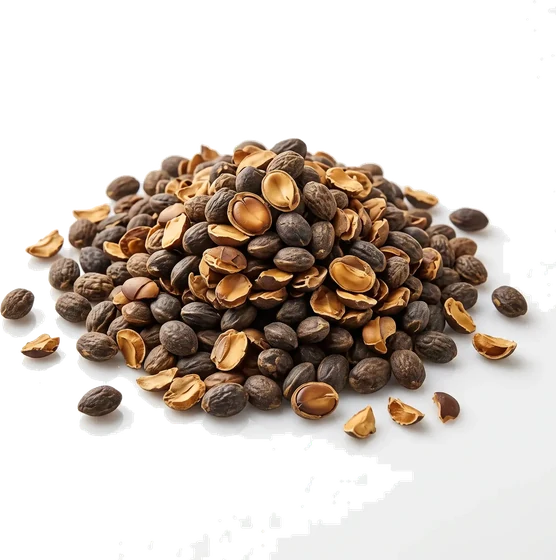
Those six are the ones the label’s own caution and the babchi monograph between them put first. A second and slower list follows from the federal pages on the individual ingredients, and these are reasons to raise it with a clinician rather than reasons to stop at the counter. Diabetes, or anything taken for blood sugar, because NCCIH on fenugreek says “Large doses may cause a harmful drop in blood sugar.” Warfarin, because NIH LactMed on fenugreek says “It can also interact with warfarin to cause bleeding.” A severe illness or a compromised immune system, because NCCIH says “The risk of harmful effects from probiotics is greater in people with severe illnesses or compromised immune systems.” Asthma and eczema, for the fenugreek and dandelion lines quoted on the ingredients page. None of those is a prediction about any reader. Each one is a federal sentence about something that is in this blend, and the useful thing to do with it is to read it out to a pharmacist.
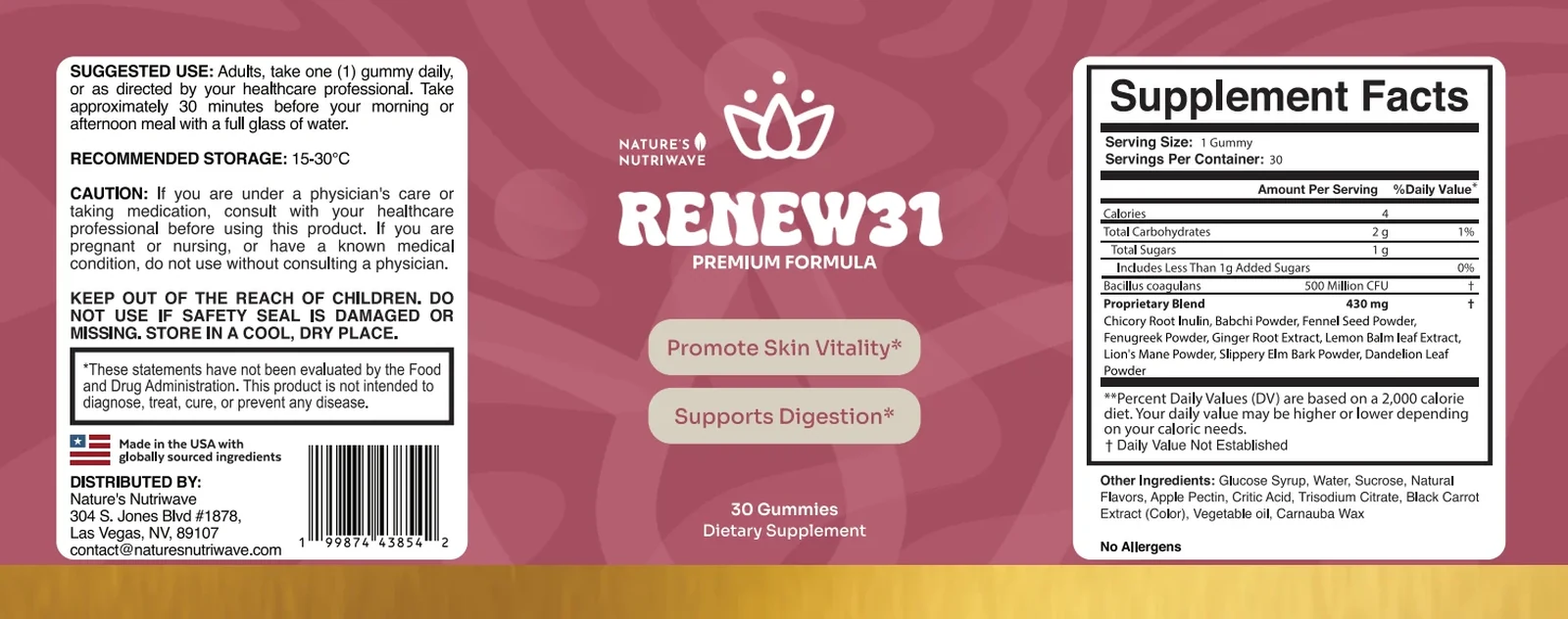
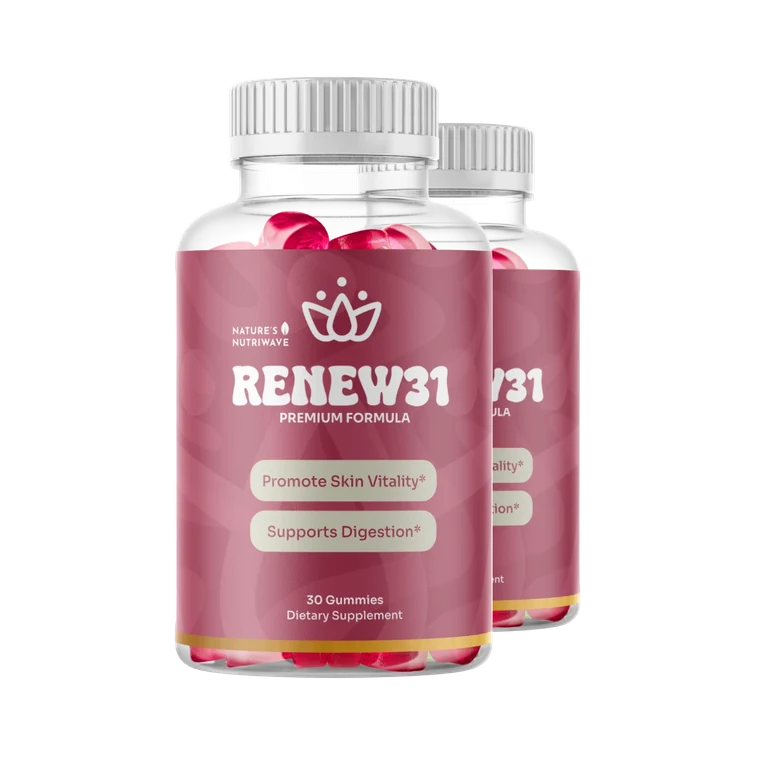
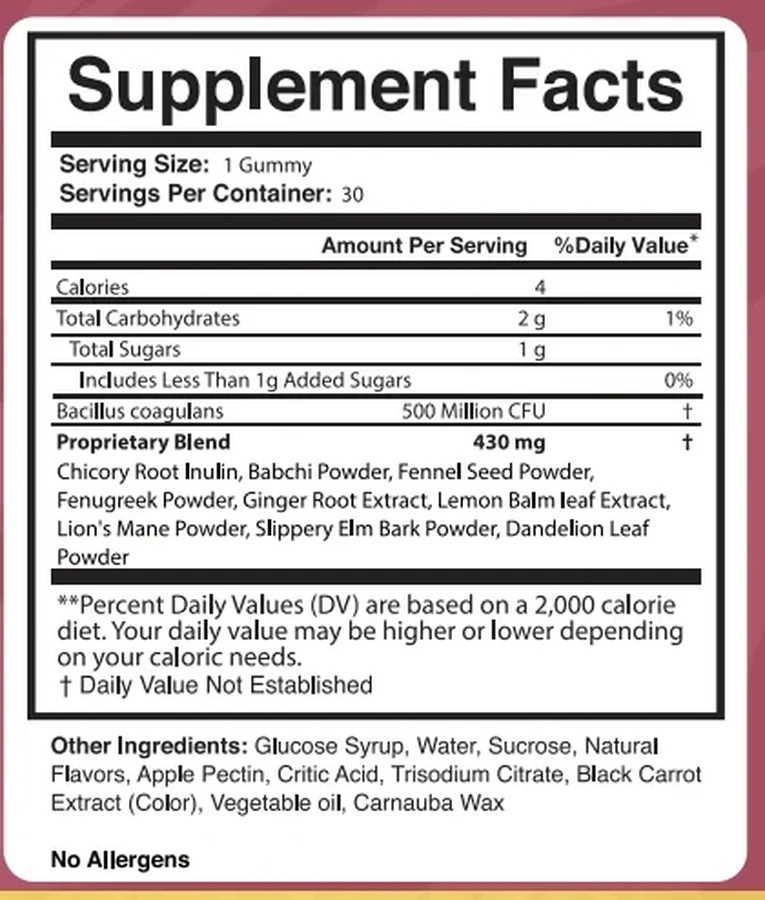
This matters more on this product than the ingredient list alone would suggest, and the reason is the 430 mg. A reader who wants to check an interaction cannot check a dose, because eight of the nine amounts do not exist on the label. A pharmacist asked about fenugreek and warfarin will reasonably want to know how much fenugreek, and the honest answer is that nobody outside the manufacturer knows: it is somewhere between a trace and 430 mg, and it is the fourth-heaviest of nine. Take the bottle itself to the conversation rather than a list copied off a website, so the person you are asking can see the panel and the caution and decide what they need. If you are already taking it, nothing here tells you to stop; it tells you to ask.